
Couples treat choosing a wedding date as a sentiment problem. It is mostly a pricing problem. The date decides what every vendor charges before you have spoken to one of them, which vendors are still available to hire, and how much weather risk an outdoor ceremony carries. Five factors settle it, and the anniversary math comes last for a reason.
The date is a price before it is anything else
Venues, caterers, photographers and bands price by demand, and demand follows the calendar. The identical wedding, same room, same menu, same team, bills at its highest on an in-season Saturday and steps down from there. No other decision made this early moves the total as far.
The lines the date moves are the big ones. Venue, catering, photography and flowers together typically take 60 to 77% of a wedding budget, and The Wedding Report puts the 2025 median US wedding spend at $18,231. On a budget that size, a date that shifts those four lines does more than most of the trimming you will do later.
Peak is regional. Across most of the country the expensive stretch runs late spring through mid-fall; in hot-summer markets the pattern bends, because demand follows bearable weather. The reliable test is the venue's own rate calendar: the months it discounts are its off-season, whatever the brochure calls them.
Day of the week is the second lever
Inside any month, the day of the week re-prices the room. Saturday carries the full rate and sells first. Friday quotes below it at most venues, Sunday below that at many, and weekdays are the floor. The discount is deepest exactly where the Saturday premium is steepest: in the months everyone wants.
| Day | What it buys |
|---|---|
| Saturday, in season | Full rate; books 12–18 months ahead |
| Friday | Lower site fee at most venues; vendors easier to book |
| Sunday | Lower again at many venues; earlier end, guests work Monday |
| Weekday | The lowest rates on the calendar; hardest on traveling guests |
What a Saturday actually costs is a local number. Venue fees in Austin are stated on every listing, and reading ten of them prices a peak Saturday in that market faster than ten inquiry emails would.

Read the weather record, not the postcard
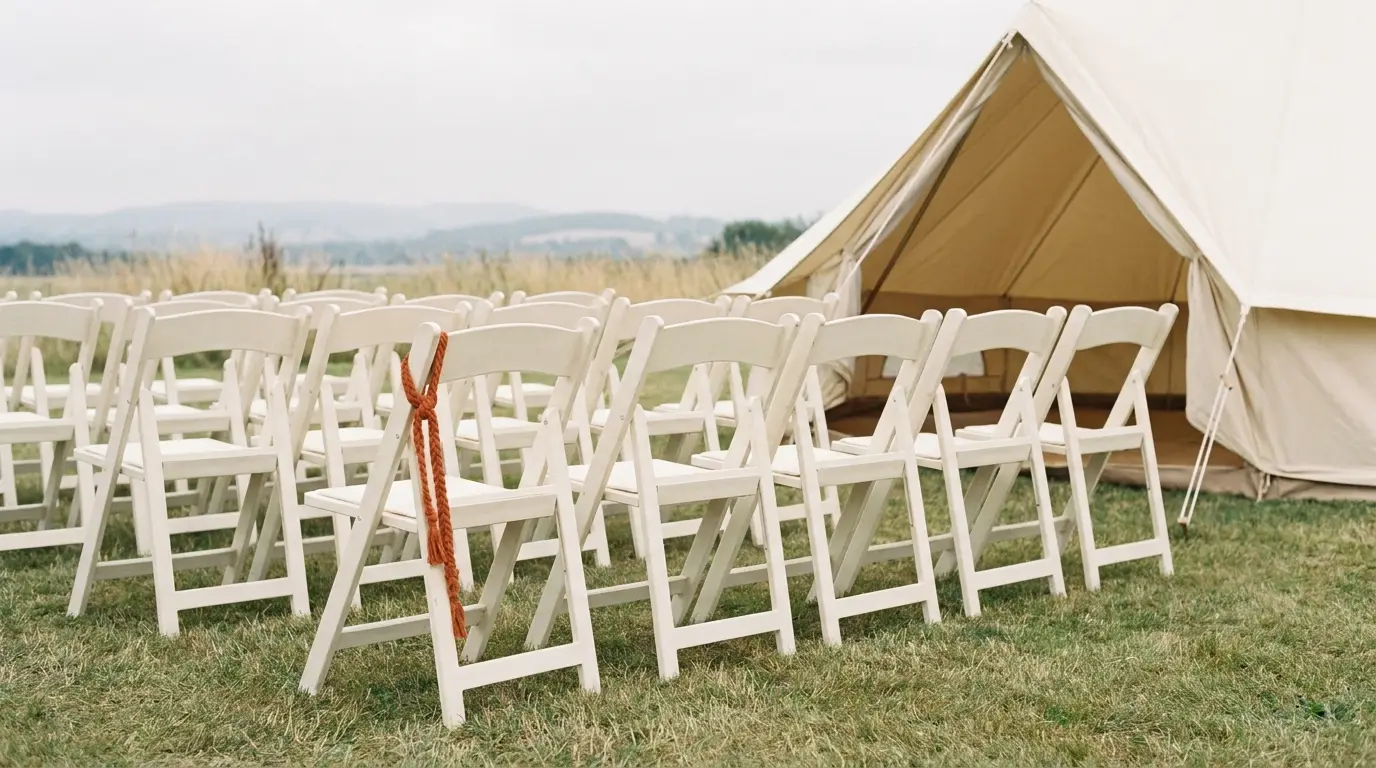
Weather risk is regional, seasonal and documented, and it is the factor couples check last. The National Hurricane Center puts the Atlantic hurricane season at June 1 through November 30, with most activity between mid-August and mid-October and a statistical peak on September 10. A September date on the coast from Texas to the Carolinas is priced like peak season and carries the year's highest storm risk at the same time.
Inland has its own file. July and August turn outdoor ceremonies across the southern half of the country into a heat-management exercise, and deep-winter dates in the Northeast and Midwest put guest travel at the mercy of storms. None of this rules a month out; it rules out booking an outdoor-only venue in that month without a covered backup.
An evening spent with ten years of your own city's weather for the week you are considering is the cheapest insurance in the planning process. It will not predict your date. It will tell you honestly what the odds are.
The guest math
A date is a claim on other people's calendars and wallets. Holiday weekends look considerate, with the built-in travel day, and they are the most expensive weekends of the year to fly and sleep anywhere near a city. Some vendors also price holiday staffing into the quote.
Before anything is signed, run the date past the short list of people whose absence you would not accept. Keep that list at 8 or 10 names and ask them directly. Everyone further out gets notice rather than a veto, or the calendar becomes a committee.
- School calendars, if the list includes teachers, students or young families. Exam weeks and term starts travel badly.
- Graduation weekends in college towns, which fill hotels for miles and reprice the survivors.
- Other weddings already announced in your circle. Sharing a season is fine; sharing a month with a cousin is a diplomacy project.
- Major religious observances across both families, including the ones your own household does not keep.
Meaningful dates, and the traps in them
Sentiment is a fine tiebreaker and a poor first filter. An anniversary lands on a random weekday most years, so honoring it means either paying peak-weekend prices whenever it next hits a Saturday or asking every guest to take a Tuesday off. A meaningful month keeps the sentiment and returns the choice of day.
Novelty dates are the opposite trap. Repeating and palindrome dates concentrate demand on a single square of the calendar, venues know it, and the pretty numbers sell out unusually far ahead. If the date is the point, book earlier than you otherwise would and expect Saturday economics whatever the weekday.
Holiday-adjacent dates carry their own line items. A New Year's Eve wedding pays holiday staffing across every vendor, and a wedding in the week the whole country buys flowers competes with that market for the same stems. The date can still be worth it; it is just not free.
Book backward from the vendors
A date without a venue is a preference, not a plan. The date and the venue lock together as one decision: hold 2 or 3 candidate dates, ideally across different months, and let availability and rate cards close the question.
Work the windows backward from there. Venues in demand book a year or more ahead for in-season Saturdays, and the coordinators worth hiring are reserved 12 to 18 months out for the same dates. A flexible date chosen 14 months out beats an exact date chosen 8 months out, when the market has already been spoken for.
Everything downstream is relative to the date. It is the first box on the planning checklist because nothing can be booked without it, and every deadline on a 12-month planning timeline counts backward from it. Until the date is set, no other deadline exists.
The license has its own calendar
Whatever date wins, the paperwork attaches a window to it. Rules sit at the state and county level: in Travis County, Texas, a marriage license carries a 3-day waiting period and is valid for 89 days, so it can be collected neither the morning of the ceremony nor six months early.
Most states run some version of the same window, with different numbers on each end. Checking how the license window works in your county belongs on the calendar the month the date is settled, not the week of the rehearsal dinner.
Key takeaways
- Price the date first. Season and day of week move venue, catering, photography and flowers, typically 60 to 77% of the budget.
- Saturday in season is the ceiling. Friday, Sunday, weekday and off-season each step down; the venue's rate calendar is the honest map.
- Check the weather record: hurricane season runs June 1 to November 30 and peaks September 10. Outdoor plans need a contracted backup, not optimism.
- Give 8 or 10 must-be-there people a veto window before signing. Everyone else gets notice.
- Sentiment picks the month; economics pick the day. Novelty dates are priced like premiums.
- Hold 2 or 3 candidate dates 12 or more months out and let venue availability decide.
Frequently asked questions
How far in advance should you choose a wedding date?
Twelve to 18 months ahead for an in-season Saturday, because venues and the most booked coordinators are reserved that far out. Off-season and weekday dates carry shorter windows, sometimes a few months. The booking window, not the planning workload, is what sets the deadline.
What is the cheapest time of year to get married?
Your venue's slowest months, which in most US markets means deep winter outside the holidays. The venue's rate calendar is the honest answer: the months it discounts are its off-season. Holiday dates inside winter, New Year's Eve and Valentine's weekend among them, are priced up rather than down.
Is a Friday or Sunday wedding cheaper than a Saturday?
At most venues that price by day, yes. Friday usually quotes below Saturday and Sunday below Friday, with the gap widest in peak months. The tradeoffs are practical: Friday guests take a half day off work, and Sunday nights end early because Monday is a workday.
Should you pick the wedding date or the venue first?
Neither alone. Hold 2 or 3 candidate dates and shop venues with all of them, letting availability and rates close the decision. Committing to a single date before seeing a single rate card gives up most of your negotiating room.
What wedding dates should you avoid?
Major holiday travel weekends, local events that fill hotels, the statistical heart of hurricane season for a coastal outdoor wedding, and any date a must-have guest cannot make. Avoid is the wrong frame for the rest: a discounted January Saturday is a problem for a garden ceremony and a gift for a ballroom one.
Are palindrome and repeating-number dates more expensive?
They behave like premium dates because demand concentrates on them, and they are booked unusually far ahead. Venues price demand, not digits. If a novelty date matters to you, start earlier than the standard window and expect Saturday economics on any weekday.
How long is a marriage license valid?
It varies by state and county. In Travis County, Texas, a license carries a 3-day waiting period and stays valid for 89 days; other jurisdictions run different numbers on both ends. Check your county clerk's rules the month you set the date, since a license collected too early can expire before the ceremony.
Do wedding vendors charge more in peak season?
Yes. Rates follow demand, so the same team costs the most on an in-season Saturday and less as you move toward off-season and weekdays. Some vendors publish one rate year-round and simply sell out; for them the off-season benefit is availability rather than price.
What months are a hurricane risk for coastal weddings?
The Atlantic season runs June 1 through November 30, with most activity from mid-August to mid-October and a statistical peak on September 10. That window overlaps the most popular fall dates in the Southeast and on the Gulf. A covered backup written into the venue contract is the workable answer.
Can you change a wedding date after booking?
Only on the contract's terms. Deposits are commonly non-refundable, and a date change is often treated as a cancellation and rebooking unless a postponement clause says otherwise. Read that clause before signing, and ask how the venue handles a move to a lower-demand date.